It had been eight years since my last trip to China.
This October, I returned as part of a three-week work trip through London, Shanghai, Shaoxing, Guangzhou and Hong Kong. The schedule was demanding: twelve- to fourteen-hour workdays, with just one day off during a twelve-day stretch of negotiations.
Somewhere in the middle of it all, I noticed a sense of calm I didn’t remember from earlier trips. I felt more confident in the conversations, clearer about where I needed to stand firm, and more open to understanding the people across the table.
There was a time when simply going on that trip had been an enormous dream.
In 2004, while working at C&A, I helped prepare my product manager’s trips. I put so much care into the arrangements that you might have thought I was going too. I loved being part of the preparations and imagined what it would be like when my turn finally came.
My first trip happened in 2015, with Marisa. Eleven years after I had first begun hoping for it. Travelling to that part of the world held a fascination that was inseparable from the feeling of having reached a professional milestone.
This time, I brought more experience with me. The years of work, and everything that had happened beyond it, had changed the way I saw things. I noticed that change most clearly in my relationships with the people I was there to negotiate with.
The assumptions we bring with us
It is easy to arrive in another country and use what we know as the measure of everything we encounter.
The way we conduct a conversation, show interest or express disagreement can feel so natural that we forget how much of it we learned. Our familiar ideas of professionalism, confidence and efficiency become unspoken standards against which we judge others.
On this return to China, I was more aware of the limitations of that perspective. I felt less attached to the assumption, so familiar in the West, that our own societies provide the benchmark for progress. I was more willing to observe and appreciate what had been built there.
That doesn’t mean I suddenly understood an entire culture. The idea that a few business trips could give me that understanding would itself call for a little more humility.
What had changed was my willingness to recognise that the people I met had reasons, experiences and ways of working that couldn’t be understood solely through what was familiar to me.
For me, getting closer to another culture begins with that openness. With resisting the urge to turn a first impression into a conclusion. With being curious enough to understand before judging.
Different interests, room for an honest conversation
Everyone at a negotiating table has responsibilities. There are terms we need to secure, limits we need to respect and points on which we may never agree.
Empathy has a place in that conversation.
I can understand someone’s difficulty without being able to accept the terms that come with it. I can respect their position while continuing to defend my own. Understanding their circumstances more fully can help me see more clearly where there is room to find a workable solution.
On this trip, I felt that my approach made a difference. The respect, curiosity and humility I brought to the conversations helped us connect and made room for more honest negotiations.
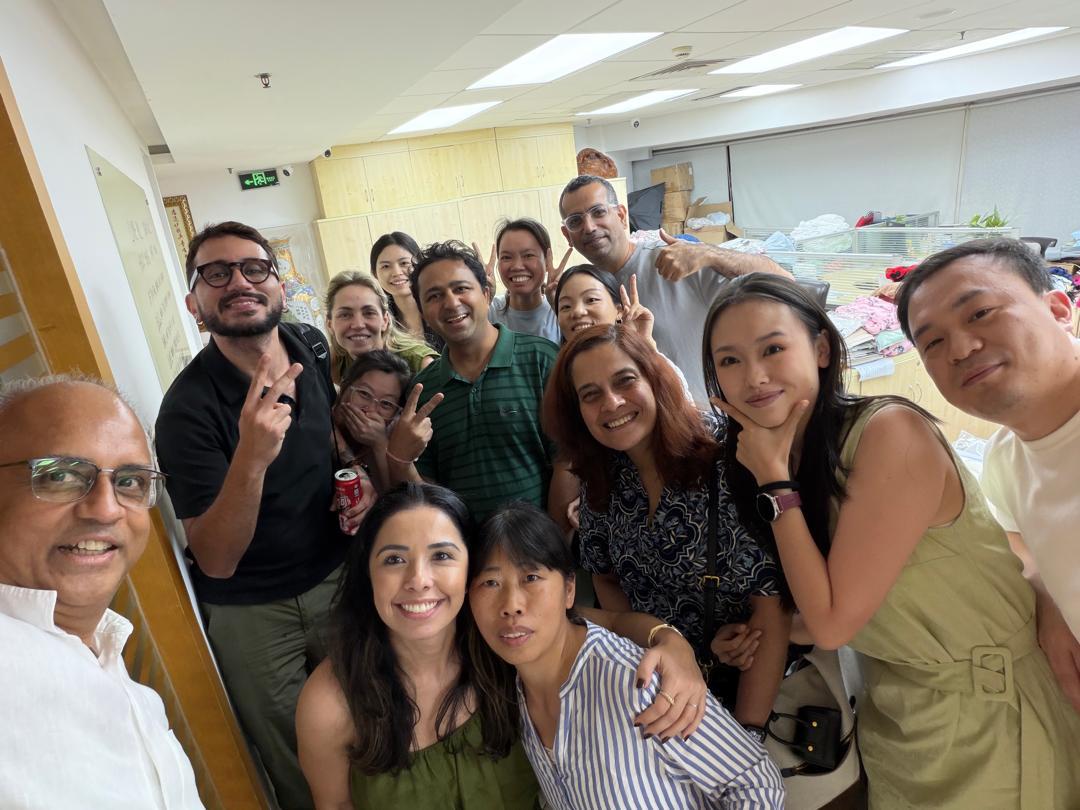
I felt confident enough to stand by my perspective without treating it as the only valid way to understand the situation.
I believe honesty brings people closer because it helps both sides see what they are actually trying to resolve. When we can speak clearly about a difficulty and listen carefully to the response, we have a better chance of understanding what might work for both of us.
That takes judgment. Trust develops over time, and each person remains responsible for what they share and what they commit to. There is still room to be both thoughtful and candid in the same conversation.
Even when our interests pull in different directions,we can treat each other as people capable of finding a way forward together.
Confident enough not to know everything
I often think about the understanding we build through experience.
For a long time, I associated it with what I would be able to recognise: places, subjects, the unwritten rules of professional settings. On this trip, I also saw its value in what I was comfortable leaving unresolved.
There were questions I could ask without feeling I should already know the answers. Impressions I could reconsider. Ways of working I could try to understand before comparing them with my own.
When you have had to learn the unwritten rules while already being judged by them, admitting that you don’t know something can feel risky. You want to show that you are prepared, to leave no room for doubt about your competence.
It meant something to realise that I felt more confidentat a point in my life when I no longer needed to arrive with every answer.
Work and life had given me more to draw on as a negotiator. They had also helped me understand that, however much experience I had, it represented only part of what was being brought to the table.
I came home from China thinking about that. About the possibility of standing firm on what matters while allowing someone else’s perspective to teach us something.
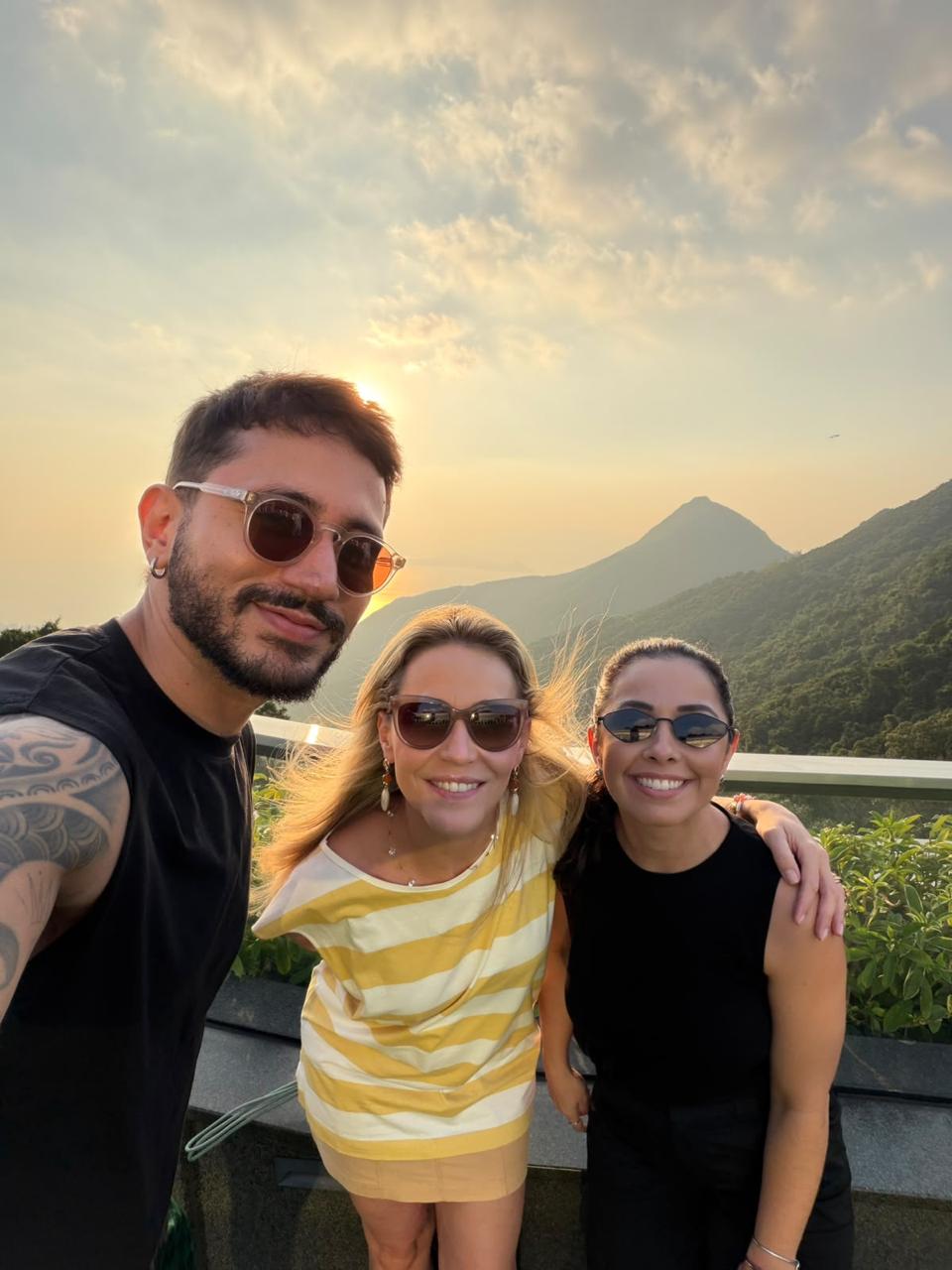
After so many years of hoping for these trips, and then making them, finding that sense of calm in myself was a milestone I hadn’t expected.